Rhys White from the Institute of Environmental Science and Research in New Zealand presented at London Calling 2025. The title of the session was “Nanopore sequencing captures first in-patient evolution of vancomycin-resistant E. faecium in New Zealand.” White explained that Enterococcus faecium lives in the human gut and is a Gram-positive opportunistic pathogen. White and […]

I’m still watching day 2 of the ISME19 workshop “From Reads to Function.” This session included Iyanu Oduwole, Emile Skoog, and Kent Pham. They introduced NMDC and Sample Metadata. The National Microbiome Data Collaborative (NMDC). Iyanu Oduwole is a Genome Science and Technology Ph.D. candidate at Bredesen Center UTORII. Emilie Skoog is a postdoctoral researcher […]
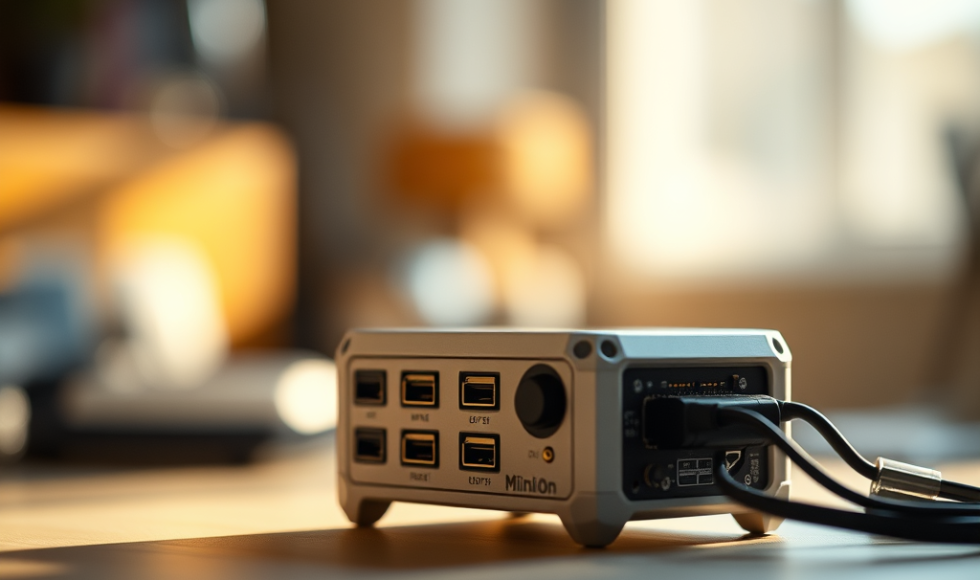
Today, I watched the beginning of an Oxford Nanopore Technologies special recording. The title is “Celebrating a decade of DNA discoveries: 10 years of the MinION in microbiology.” This session was from June 14th, 2024, at the ASM Microbe meeting. Pomeranz began by introducing the ONT and noting that there have been over 13,000 publications […]
Trish Simner is the Director of Bacteriology and Infectious Disease Sequencing Laboratories. They work at the Johns Hopkins University School of Medicine in Baltimore, Maryland. They presented at London Calling 2024. The session’s title was “Bringing Nanopore Sequencing into the Clinical Microbiology Setting with Targeted Approaches.” Simner spoke about the advantages of long reads and […]

The London Calling 2024 studio interview session I watched tonight was about rapid tumor classification. Zoe McDougall spoke to Simon Paine from Nottingham University Hospitals NHS Trust in the UK. Paine is a neuropathologist and analyzes samples to predict patient outcomes. They are excited about discovering ways to classify tumors using Oxford Nanopore Technologies. The […]

“Genomics from roadkill: high quality mammalian genomes using hybrid assembly with MinION long reads” was the title of Frederic Delsuc’s London Calling 2019 session. Delsuc is from the French National Centre for Scientific Research in France. Their lab specializes in mammalian phylogenomics. The project is called The ConvergAnt Project, which is “an integrative approach to […]
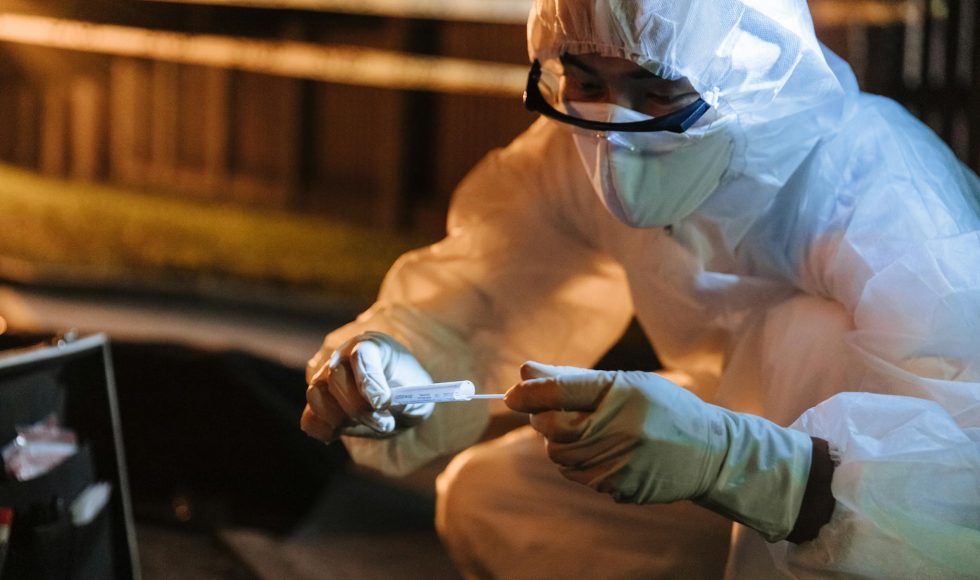
Rebecca Richards from the University of Auckland in New Zealand presented at London Calling 2019 on “Biological evidence of the future: the use of sequencing in forensic science.” They spoke about forensic DNA profiling by analyzing STRs and capillary gel electrophoresis. This analysis looks at the length of the repeats. However, there are limitations: no […]
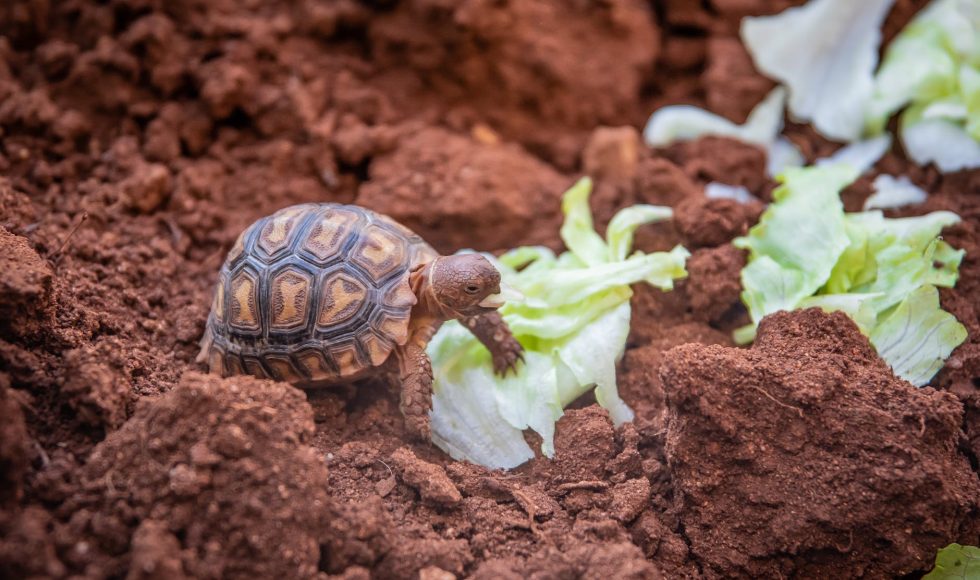
Tonight I watched the Oxford Nanopore Technologies (ONT) London Calling 2023 Showcase Stage on Conservation. In this session, Luca Pandolfini from the Italian Institute of Technology in Italy presented “From genome assembly to epigenome characterisation: a nanopore journey in the footsteps of an endangered tortoise.” Pyxis arachnoides is a tiny tortoise that is critically endangered […]
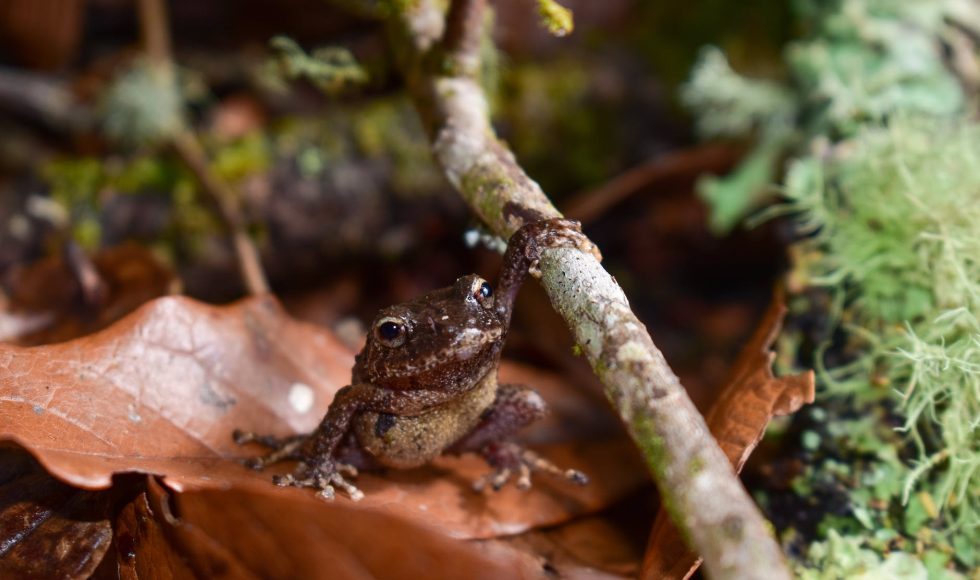
Mariana Corrales Orozco from EAFIT University in Colombia spoke at London Calling 2023 about “Revolutionizing biodiversity research: Oxford Nanopore sequencing for the rapid and accurate identification of endangered species.” They started with heat maps depicting species diversity and the challenges of identifying new species. Typically, an expert taxonomist examines a sample. This approach requires sacrificing […]
Sarah Statt presented at the Nanopore Community Meeting 2021 on “AmplideX PCR and nanopore sequencing deepens analysis and simplifies workflows for carrier screening.” Statt is an R&D Senior Manager at Asurgen, a Bio-Techne Brand. They spoke about the technologies needed for carrier screening. The company created AmplideX that includes long-range PCR and long-read sequencing to […]