

Reflections

Methplotlib and the Development of Tools for Allele-specific Methylation in the Human Brain

Wouter De Coster from the VIB Center for Molecular Neurology in Belgium presented a session for the Oxford Nanopore Community Meeting 2020 entitled “Allele-specific methylation in human brains.” De Coster is a bioinformatician and started with a quote from Sydney Brenner: “Progress in science depends on new techniques, new discoveries and new ideas, probably in […]

Read more

Whole Plasmid Nanopore Sequencing

Tonight I watched the “Plasmid sequencing, assembly and analysis workflow” video with speaker Jon Pugh, Associate Director of Platform Marketing at Oxford Nanopore Technologies. The whole plasmid nanopore sequencing workflow allows for sequencing analysis of inserts, promoters, and backbones. With Nanopore sequencing, it is possible to use a single technique “in-house.” The workflow they suggest […]
Read more

Detecting RNA Modifications with Nanocompore

Logan Mulroney from EMBL-EBI and IIT-CGS Italy presented at London Calling 2022 on “Detecting RNA modifications from nanopore ionic current signals.” They spoke about chemical and physical modifications of RNA and how they are “really dynamic.” I did not know there are “eraser” proteins that remove modifications, “writers” that add the modification, and “readers” that […]
Read more

SNP Analyses for Gorilla Conservation

Ettore Fedele from the University of Leicester in the UK presented at London Calling 2022 on “Genomic tools for gorilla population dynamics and conservation.” Fedele spoke about using Oxford Nanopore Technologies (ONT) sequencing to support conservation of gorillas and began by emphasizing the importance of gorillas and major threats they encounter. Monitoring species to combat […]
Read more

STRspy Improves Traditional Approaches

Rupesh Kesharwani from the Human Genome Sequencing Center at Baylor College of Medicine presented at London Calling 2022 a session entitled “STRspy-ing hidden variation in forensic DNA profiles with the MinION.” Kesharwani is a senior scientific programmer and explained that short tandem repeats (STR) vary in number between individuals. They spoke about cases solved with […]
Read more

Non-amplified eDNA Sequencing

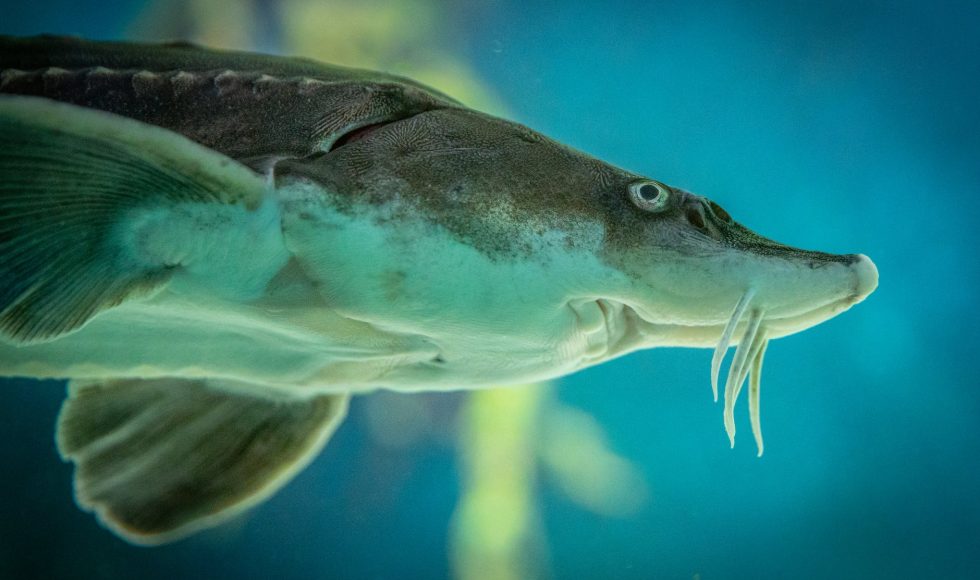
Reindert Nijland from the Wageningen University in the Netherlands presented at London Calling 2022 about “Endangered European sturgeon detection through non-amplified eDNA sequencing.” They presented work on obtaining the full genome of this critically endangered big fish. The Netherlands has sturgeon species that are non-indigenous released from ponds. They have complex life cycles and are […]
Read more