

Charles A. Swofford from the MIT Center for Biomedical Innovation presented as part of the Biopharma Day in Boston. The title of the session was “A sensitive sample preparation pipeline for adventitious virus detection using nanopore sequencing.” They emphasized the importance of viral safety assurance for biologics. The two assays used are in vivo virus […]
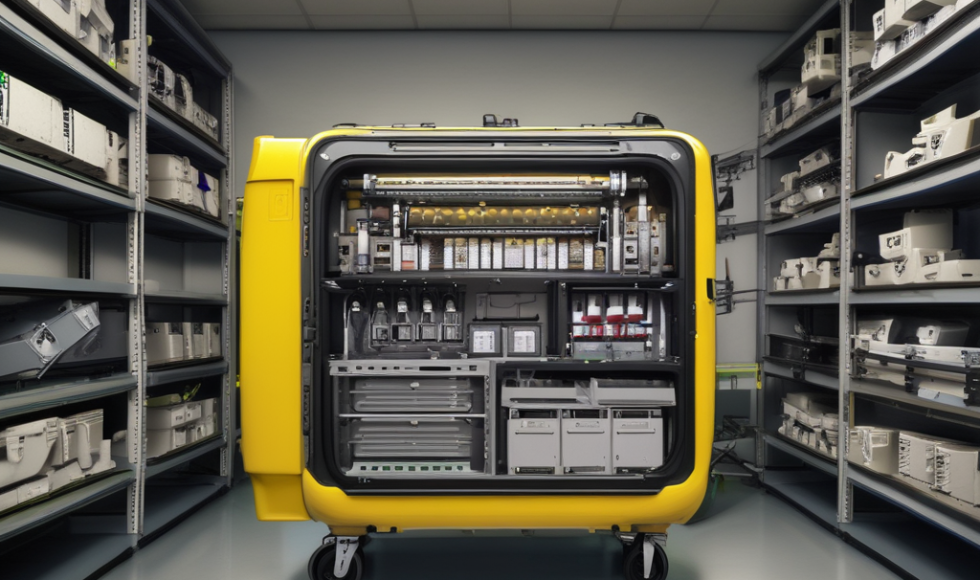
Tonight, I started watching sessions from London Calling 2024! Rea Kobialka from the Institute of Animal Hygiene and Veterinary Public Health in Germany presented a session entitled “Mobile lab for rapid detection of pathogens in wastewater in sub-Saharan Africa.” They emphasized the importance of surveillance. The research team developed a portable suitcase mobile lab. The […]

I am on my way back from ASMCUE! It was a fun adventure. As I wait for my flight back to RDU, I was able to watch the Nanopore Learning course on Human genome sequencing and analysis and the video on “Introduction to data generation and sequencing output for analysis.” The presenter presented about the […]

Tim Walker from the Technical Services Group conducted a demonstration of EPI2ME as part of the Nanopore Learning course. Walker noted that EPI2ME currently hosts free metagenomic classification pipelines including WIMP, the antimicrobial resistance workflow, and the Fastq 16S workflow. The 16S workflow works with the 16S barcoding kit. This is the kit and workflow […]
Tim Walker from the Technical Services Team with Oxford Nanopore Technologies presented the Nanopore Learning Course – Metagenomics lesson I watched tonight. They spoke about metagenomic classification techniques to identify organisms from sequence data and annotate genes. For targeted metagenomics, ITS, 16S, or antibiotic resistance genes can be amplified and sequenced. Whole genome sequencing can […]

Ji Wang from the Chinese Center for Disease Control and Prevention in China presented at the Nanopore Community Meeting in Singapore this year on “Application and history of nanopore sequencing in helping China’s CDC system.” They described extensive network of the CDC in China with 3,000 units. Wang shared data from a survey of lab […]